The shift toward remote and hybrid work has changed how professionals think about productivity and workplace infrastructure. As home offices became long-term setups rather than temporary solutions, many workers began to reassess the role that ergonomic furniture plays in health, efficiency, and sustainability.
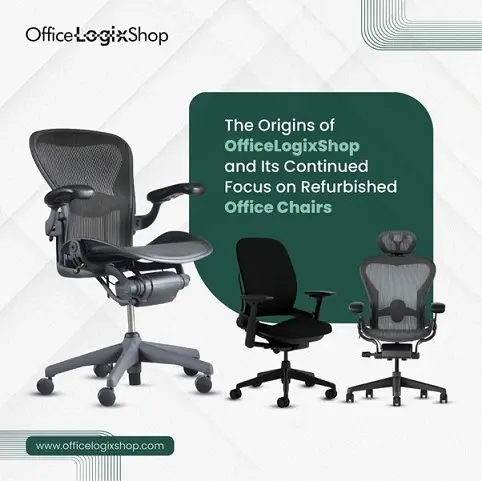
In this evolving landscape, OfficeLogixShop has emerged as one of the companies responding to demand for refurbished high-end ergonomic seating. Founded in 2015 by civil engineer Obada Mzaik and intellectual property lawyer Kamal Haykal, the company specializes in restoring premium office chairs from brands such as Herman Miller and Steelcase, offering an alternative to both the high cost of new models and the short lifespan of lower-quality options.
By focusing on refurbishment, OfficeLogixShop positions itself at the intersection of affordability, durability, and circular economy principles—an approach increasingly relevant to remote professionals and businesses alike.
From Garage Project To Remote-Work Essential
OfficeLogixShop began as a small operation with a straightforward premise: professionals should not have to choose between quality and affordability when investing in ergonomic support. Over time, the business expanded into a 60,000-square-foot facility in Ohio, including a showroom and warehouse dedicated to extending the life of premium office furniture.
Rather than treating used chairs as disposable, the company refurbishes and upgrades them, helping maintain the performance standards associated with top-tier ergonomic designs.
A key part of its offering includes add-on headrests and replacement parts for widely used models such as the Herman Miller Aeron, Mirra 2, and Embody, as well as the Steelcase Leap V2. For remote workers spending extended hours seated each day, these upgrades can contribute to longer-term comfort and usability.
This focus on restoring and enhancing existing products aligns with broader workplace trends emphasizing durability, cost-efficiency, and reduced environmental waste.
Value, Sustainability, And The Economics Of Sitting
The appeal of refurbished ergonomic chairs is partly financial. New premium office seating often comes with a price point designed for corporate purchasing rather than individual remote professionals outfitting home workspaces.
Refurbished chairs that retain their original engineering—supported by replacement components and warranties—offer access to comparable performance at a lower cost. For many professionals, this can translate into fewer replacements over time and a longer-lasting investment in workplace well-being.
There is also an environmental dimension that resonates with sustainability-conscious consumers and businesses. Refurbishment extends product life cycles and helps reduce landfill waste, while the availability of replacement parts—from seat meshes to chair cylinders—supports longer-term reuse.
For remote professionals, choosing refurbished furniture has increasingly become part of a broader effort to align purchasing decisions with sustainability goals.
Trust, Transparency, And The New Office Standard
Companies operating in the refurbished space must also address buyer expectations around quality and reliability. In a digital marketplace where consumers often approach resale products cautiously, transparency about refurbishment standards, replaced components, and warranty coverage is essential.
Clear product descriptions, customer reviews, and responsive service play an important role in establishing trust—particularly for professionals making long-term investments in home office infrastructure.
As hybrid work becomes a lasting feature of the modern economy, the role of ergonomic seating is increasingly viewed as more than background furniture. Chairs are becoming part of the foundational infrastructure that supports productivity, health, and long-term work sustainability.
Companies like OfficeLogixShop, which combine refurbishment expertise with affordability and environmental considerations, are likely to remain relevant as remote and hybrid work environments continue to evolve.